Unplanned downtime
A fault in the wrong distribution board or piece of plant can affect picking, loading, refrigeration, production or the office. Understanding the critical circuits helps prioritise investigation and plan work safely.
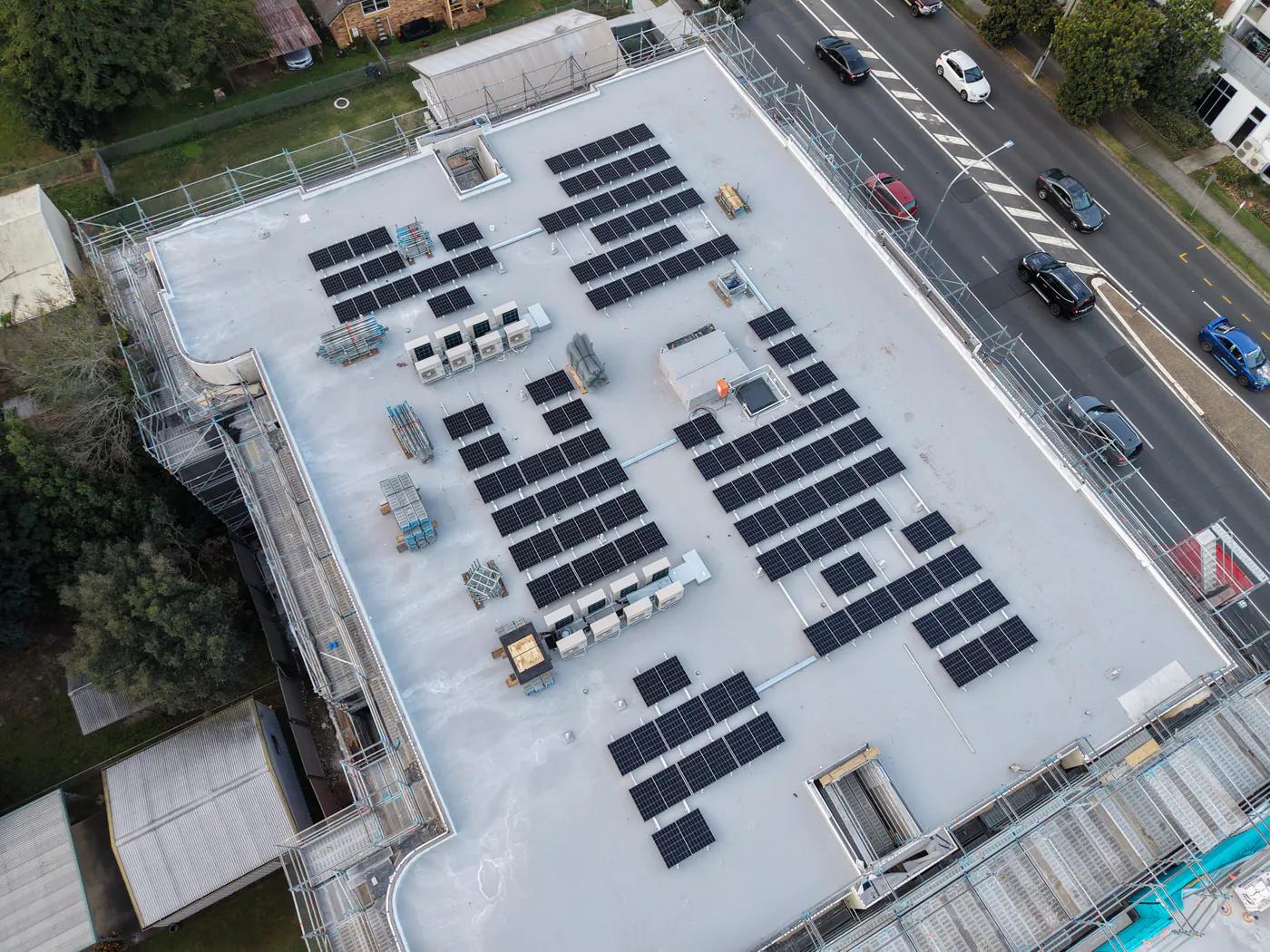
A busy site cannot treat electrical work as an afterthought. Distribution boards, lighting, machinery supplies and protection systems need to suit the way the building is used - including when it is at full capacity. Expert Energy Co works with commercial customers on electrical infrastructure, upgrades and specialist protection, with site requirements and safe access considered from the start. From a planned improvement to a fault that needs assessing, tell us how your operation runs and what cannot be interrupted. That gives us a better starting point than a generic list of electrical works.
BUILT AROUND YOUR OPERATIONS
A fault in the wrong distribution board or piece of plant can affect picking, loading, refrigeration, production or the office. Understanding the critical circuits helps prioritise investigation and plan work safely.
New racking, mezzanines, conveyors, workstations or tenancy fit-outs can leave lighting, outlets and distribution poorly matched to current site use. Alterations should start with a review of the existing installation and new load requirements.
Motors, machinery, HVAC and specialist equipment create different starting, operating and protection requirements. A proposed upgrade should consider the actual electrical demand, existing supply capacity and equipment specifications.
Forklifts, elevated work areas, busy loading bays and restricted production windows change how electrical tasks must be scheduled. Safe isolation, contractor coordination and site-specific risk controls matter as much as the installation itself.
WHAT WE CAN DISCUSS
The right scope depends on what is already installed, the risks identified and what the site needs to do next.
Assessing and upgrading commercial electrical distribution may involve switchboard capacity, circuit changes, additional power points, machinery connections and safe segregation of different areas or loads. Existing installation condition and the new equipment requirements determine the work needed.
High-bay and task lighting should help people identify hazards, read labels, navigate aisles and work safely at loading and packing stations. A useful lighting review considers mounting height, racking changes, glare, shadowing, controls and maintenance access - not just whether new fittings use fewer watts.
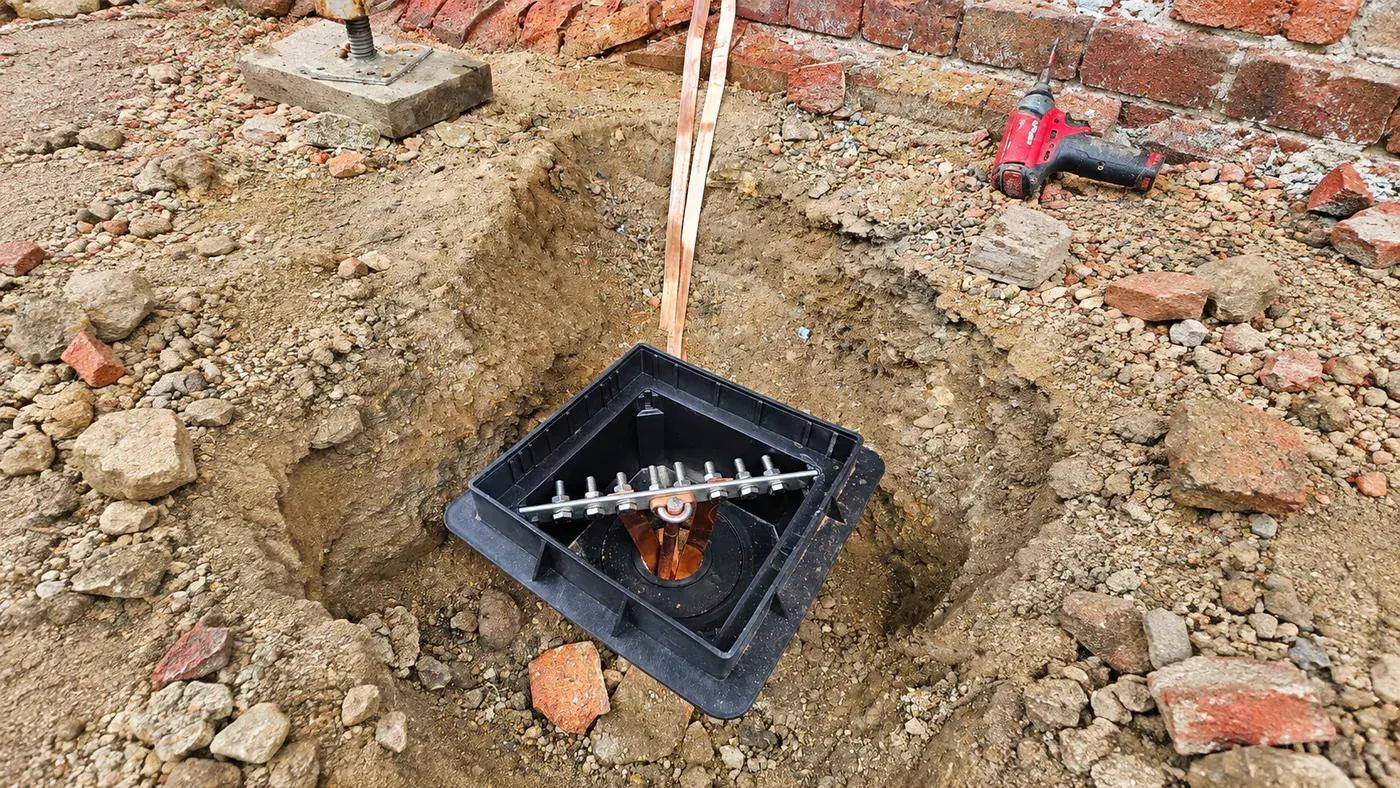
Large roof areas, exposed infrastructure, incoming services and sensitive equipment may warrant an assessment of lightning and surge risk. The goal is to consider the building, earthing and connected systems together, and choose any protection measures to suit the site's risk profile and applicable standards.
An issue with equipment behaviour may call for a closer look at earthing, protective devices, electrical supply conditions or demand patterns. Where relevant, the team can discuss the scope of testing, analysis or specialist remediation appropriate to the site.
If a business tariff includes demand or power-factor-related charges, reducing the cost of electricity can involve load scheduling, capacity review, power quality measures or, in suitable cases, correction equipment. Savings are not automatic; the tariff, readings and connected loads need to be reviewed first.
Tenancy changes, facility expansions and replacement equipment can trigger the need for wiring alterations, new supplies or revised protection. We begin with the work area, relevant documents and the site's access restrictions, then determine the safe and practical next steps.
BEFORE THE WORK STARTS
For a facility upgrade, one of the first questions is whether parts of the operation can be isolated without affecting critical areas. The answer may depend on the distribution layout, existing circuit identification, tenancy arrangements and how equipment is operated. Some work can be scheduled within a planned shutdown; other tasks may require a different staging approach. No shutdown-free or energised-work promise should be made without assessment.
Useful information at the enquiry stage includes existing electrical drawings, machinery nameplate ratings, any recent inspection reports and notes about areas with restricted access. A floor plan with racking, loading bays and major plant can also help define the scope.
New machinery arriving? Include its supply requirements, installation position and proposed commissioning date so the existing supply can be assessed before delivery.
PROJECT DELIVERY
What needs to change, what keeps the site running and what access or outage windows are available?
Review relevant boards, circuits, equipment loads, condition and documentation to identify what needs further inspection or design.
Confirm the proposed scope, safe isolation and coordination needs, responsibilities and project staging before work begins.
Testing and documentation requirements depend on the electrical work completed and the applicable regulatory obligations; confirm the specific deliverables for the project.
DIFFERENT SITES. DIFFERENT PRESSURES.
Warehouses and distribution centres: Aisle lighting, loading-bay power, equipment changes and safe work access around traffic and storage operations.
Workshops and light manufacturing: Machinery supplies, motor loads, board capacity, work-zone lighting and staged changes around production.
Commercial estates and multi-tenancy buildings: Clear distribution responsibilities, changes of tenancy, plant additions and documentation that can be understood by the next contractor.
Facilities with sensitive equipment: Consider supply disturbances, earthing arrangements and surge exposure where those issues are relevant to equipment reliability.
These are example site needs, not a claim that Expert Energy Co has completed a project in every category.
FAQs
It depends on the task, the condition and arrangement of the installation, and the safe isolation and access requirements. The appropriate work method is decided through assessment and risk controls; no assumption should be made that an installation can be worked on live or that all operations can continue unaffected.
A new item of plant can change circuit, distribution and protection requirements. Provide the manufacturer's electrical specifications, starting characteristics where relevant, proposed location and commissioning deadline. The existing site capacity can then be assessed before a connection is planned.
Not necessarily. Whether changes are feasible depends on available capacity, condition, compliance considerations, protective devices and the nature of the new load. The appropriate approach cannot be established from a photograph or equipment list alone.
An efficient fitting can reduce lighting energy use, but the overall result depends on lighting design, operating hours, controls and suitability for the tasks. A warehouse also needs adequate illumination, glare control and safe access for maintenance. Comparing wattage alone is not enough.
Potentially, where the site has a tariff and measured electrical characteristics that make correction appropriate. It is not a universal solution, and there should be no stated savings without reviewing the tariff, demand data, power factor and proposed equipment.
Some sites may need a lightning risk assessment, depending on the building, its exposure, intended use and connected systems. The existence of a large roof does not by itself establish a universal legal requirement or guarantee a particular design.
The address, facility type, project scope, preferred timing, operational restrictions, available power-supply details, equipment specifications and any relevant drawings or photographs. If the issue is an electrical fault, explain the symptoms but do not attempt unsafe investigation yourself.
No. Requirements vary by the nature of the workplace, equipment and risk factors. Queensland's current electrical safety requirements distinguish categories of work and equipment. An appropriate inspection and testing program should be determined for the site rather than using a single universal interval.
TALK ABOUT YOUR FACILITY
Tell us what needs to change and what your team cannot afford to interrupt. We can discuss the scope, the information needed for an assessment and a practical next step for your site.
Get a quote
Tell us about your site, location and project requirements. We will review the information and discuss the next step.
We will review your enquiry and advise on the next step.
0421 161 224info@expertenergyco.com.auMonday–Friday 7am–4pm. Emergency callouts available.