Power where you need it
The nearest switchboard is not always near the machinery. Distance between the house, sheds and pumps affects how new circuits and supplies should be assessed, routed and protected.
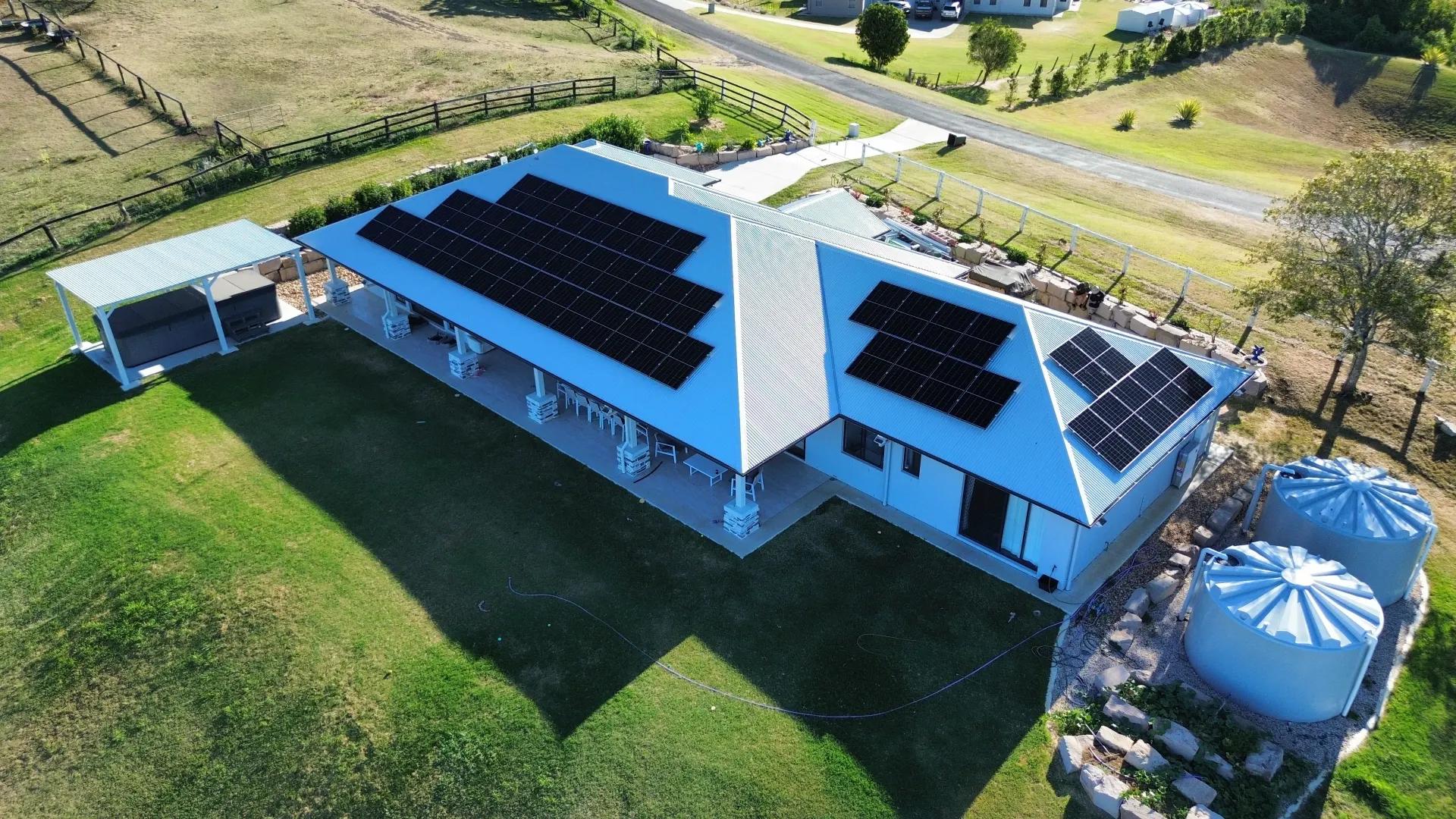
A rural electrical system has to suit more than the main house. Pumps, sheds, workshops, refrigeration and long distances between buildings can place very different demands on your power supply. Expert Energy Co helps rural property owners plan practical electrical, solar, battery, off-grid and lightning protection solutions - based on how the property is actually used. Based in the Marburg area, we work with customers across Ipswich, the Lockyer Valley and surrounding service areas. Specialist projects can be discussed outside the local region.
WHY RURAL POWER NEEDS A PLAN
The nearest switchboard is not always near the machinery. Distance between the house, sheds and pumps affects how new circuits and supplies should be assessed, routed and protected.
A pump or workshop motor may draw substantially more power when starting than when running. That matters when considering circuit capacity, inverter output, generators and stand-alone systems.
Outdoor equipment, wet areas, dust, machinery and exposed buildings need suitable electrical design, equipment selection and maintenance. Lightning and surge risks warrant a site-specific review rather than a one-size-fits-all promise.
Irrigation schedules, cold rooms, pumps and other loads can change across seasons. Before investing in solar or batteries, it pays to understand the operating pattern, the existing supply and what you may add later.
RURAL ELECTRICAL SERVICES
Whether you are upgrading an existing property or planning a new installation, start with the power requirement rather than a predetermined product.
Solar can suit farms and rural homes with daytime electricity use, including some pumping and equipment schedules. An assessment considers usage, available installation space, existing electrical infrastructure and the network connection before recommending system capacity.
For properties where grid connection is unavailable, unreliable or prohibitively expensive, stand-alone systems combine generation, storage, control equipment and often backup generation. The design needs to account for seasonal conditions, peak loads and days with poor solar production.
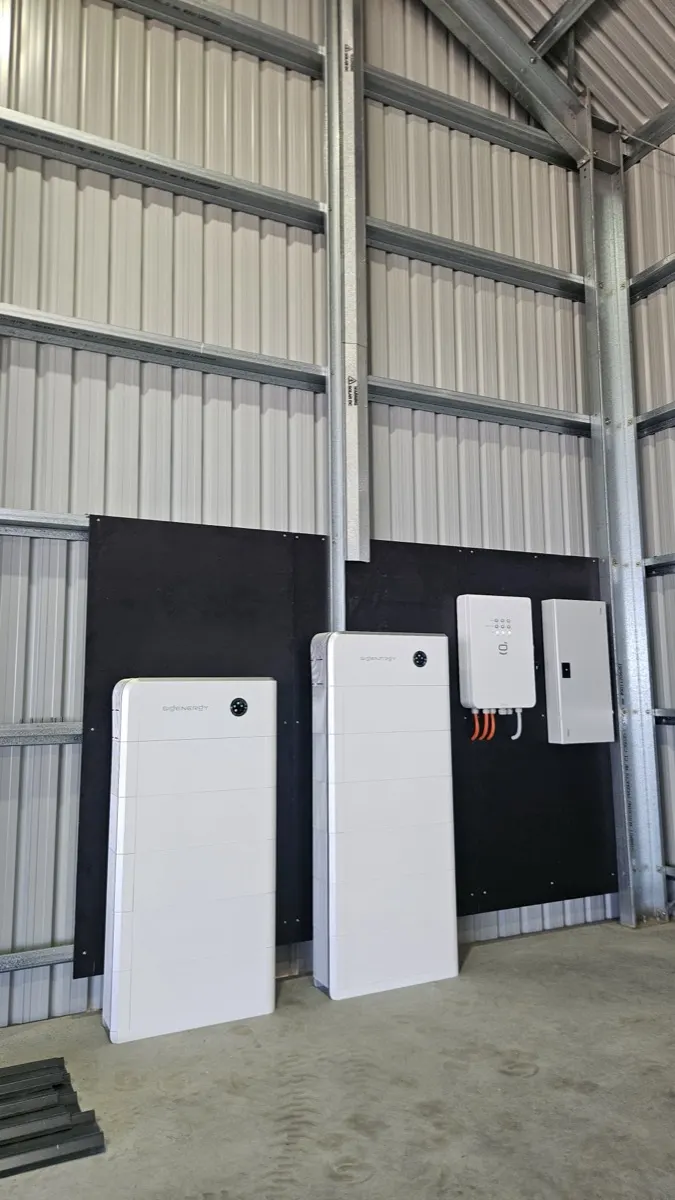
On a grid-connected property, a battery may shift solar generation into evening use. Blackout backup is a separate design decision: the battery, inverter, switching and selected circuits must support it. We assess those requirements before suggesting an option.
Farm buildings, sheds and equipment may need assessment for lightning and surge exposure, as well as safe distribution to workshops, sheds and pumps. The appropriate solution depends on the structures, equipment, existing installation and applicable standards.
THE RIGHT QUESTIONS FIRST
A good starting point is to identify both energy use and peak demand. A pump that runs for six hours needs a different assessment from a pump that starts frequently for short periods. Single-phase and three-phase equipment may also have different supply requirements.
Bring the information you already have - equipment nameplates, run times, photos of switchboards, recent power bills and a rough site plan showing distances between buildings. If details are missing, we can discuss what should be checked during an assessment.
For a new remote installation, we would also need to consider whether connection to the grid is feasible, whether some loads should be scheduled, and whether a backup generator is appropriate. An indicative solar calculator is only a starting point; it does not replace a detailed electrical and stand-alone system design.
Disclaimer beneath CTA: Indicative estimates only. Final equipment selection and sizing require site and load verification.
OUR APPROACH
We discuss where the property is, what needs power, whether you have a grid connection and any current faults or expansion plans.
We examine relevant bills, operating times, equipment ratings, motor starts, existing circuits and the distances involved.
Depending on the project, that may be a site assessment, a design and quote, an upgrade of the existing supply or a more detailed off-grid load study.
Once scope is agreed, the electrical work and any required testing, documentation and follow-up can be planned around the site's operating needs.
LOCAL RURAL SERVICE
Rural projects can span large properties and several buildings. Expert Energy Co is based in the Marburg area and services Ipswich, the Lockyer Valley and Scenic Rim. Let us know your property location and project type so the team can confirm availability and any specialist travel requirements.
Links: Ipswich -> /service-areas/ipswich | Lockyer Valley -> /service-areas/lockyer-valley
FAQs
It can be possible, but not every property is a good candidate. The feasibility depends on daily and seasonal electricity use, the largest equipment loads, solar generation conditions, battery storage, backup generation and the cost of grid connection. A proper load assessment is essential before committing to equipment.
Solar may be able to supply some or all of a pump's energy requirement, but the outcome depends on the motor's running and starting demand, the hours it operates, the available solar supply and any storage or control requirements. Pump nameplate details and operating times are a useful starting point.
Not always. It depends on the machinery, intended use and the supply already available. A licensed electrician needs to assess the load and installation before recommending an upgrade or additional distribution.
No. A battery connected to grid-tied solar usually still relies on the electricity network. A stand-alone system has to supply the property's full expected needs without the grid and normally requires more detailed storage, inverter and backup planning.
A lightning risk assessment can help determine suitable protection for a building and its equipment. The need for, and scope of, protection depends on the structure, exposure, use, and applicable design requirements. No system can eliminate all lightning risk.
Wet and harsh conditions require equipment suitable for the environment and appropriate safety controls. Do not use damaged electrical equipment. Electrical installation and repair work should be performed by appropriately licensed workers.
Share the property location, which buildings or equipment are involved, the type of supply you have and any photos, power bills or equipment ratings available. For off-grid work, include your expected daily use and largest appliances or motors. The team can then discuss the next assessment step.
TALK TO A RURAL ELECTRICAL SPECIALIST
Whether it is an off-grid home, a farm shed, an irrigation pump or a broader site upgrade, start with the site conditions and what you want to achieve. We can discuss the right next step without assuming every property needs the same solution.
Get a quote
Tell us about your site, location and project requirements. We will review the information and discuss the next step.
We will review your enquiry and advise on the next step.
0421 161 224info@expertenergyco.com.auMonday–Friday 7am–4pm. Emergency callouts available.